
Understanding the psychology behind gambling behavior in casinos
The Allure of Gambling: Psychological Drivers
At the core of gambling behavior in casinos lies a complex interplay of psychological factors that attract individuals. The thrill of uncertainty plays a significant role; the unpredictable nature of winning can create an adrenaline rush that is both exhilarating and addictive. This element of chance often leads players to experience a heightened state of excitement, driving them back to the casino for more. Moreover, when considering popular betting sites, it’s essential to recognize how these factors amplify the thrill of gambling. Casinos are adept at creating environments that stimulate the senses, making the gambling experience even more compelling.
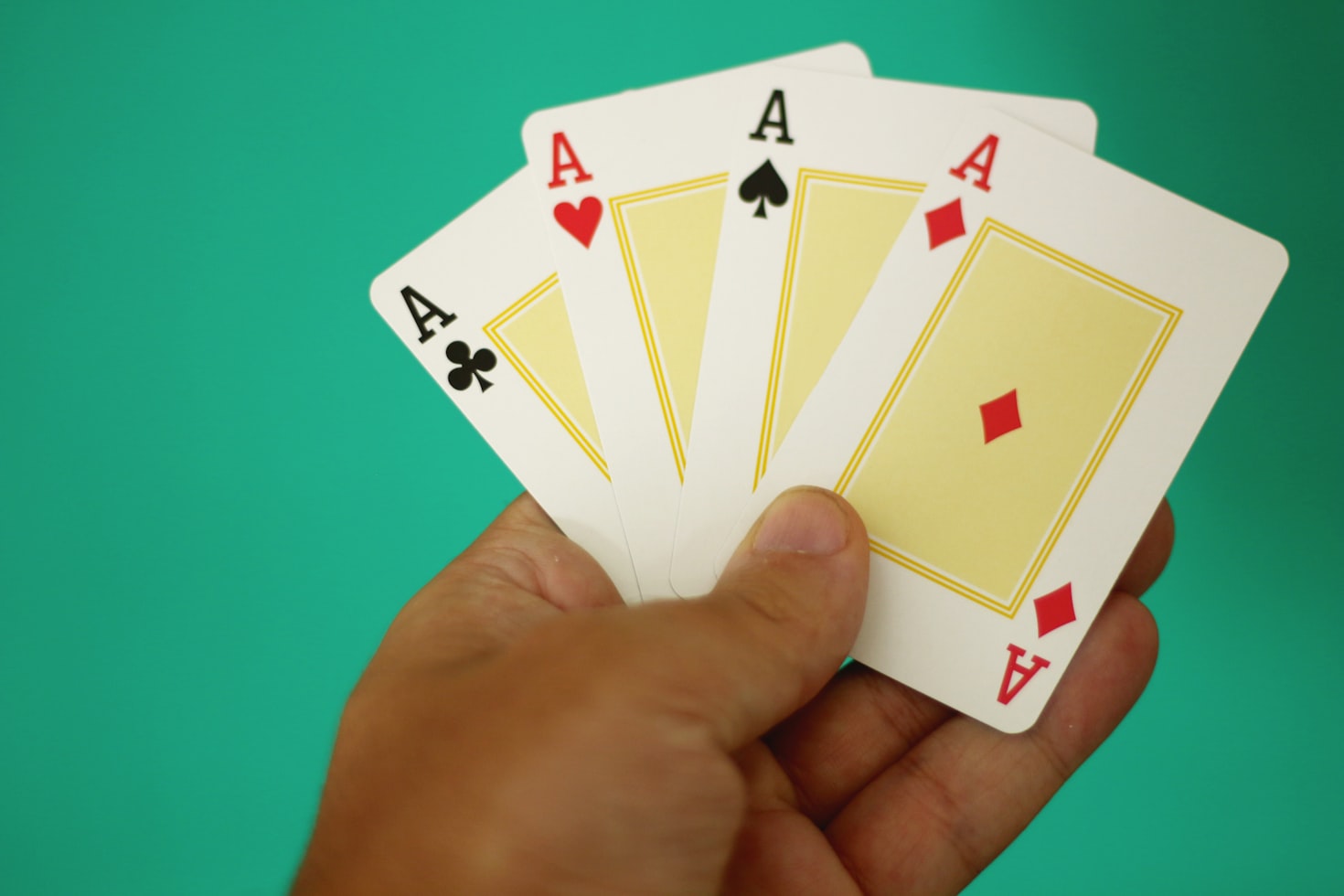
Moreover, the concept of near misses enhances this allure. When players almost win, it triggers a psychological response that can encourage further gambling. This phenomenon is rooted in the brain’s reward system, where the anticipation of a potential win generates dopamine, a neurotransmitter associated with pleasure. Casinos exploit this by designing games that frequently provide near-miss outcomes, fostering a belief that success is just around the corner. This misperception can lead to continued play, even in the face of losses.
Social interaction also plays a critical role in gambling behavior. Casinos often foster a communal atmosphere where players can engage with each other, share experiences, and celebrate wins. This social aspect can enhance the enjoyment of gambling and make it more appealing to individuals seeking connection. The combination of excitement, the hope of winning, and the allure of socialization creates a potent cocktail that draws many to casinos, often leading them to gamble more than they initially intended.
Cognitive Biases and Misunderstandings
Cognitive biases significantly influence gambling behavior, often leading players to make irrational decisions. One prevalent bias is the gambler’s fallacy, where individuals believe that past outcomes can influence future events in a game of chance. For example, a player might think that a slot machine that hasn’t paid out in a while is ‘due’ for a win. This misunderstanding of probability can lead to increased betting and longer gambling sessions, as players chase the elusive ‘big win.’
Another key cognitive bias is the illusion of control, where players believe they can influence the outcome of random games. This mindset is particularly common in games like poker, where skill is involved. Players may overestimate their ability to win based on their strategic choices, leading them to take greater risks. Casinos exploit this bias by promoting games where players feel they can exercise control, thereby encouraging continued play and higher stakes.
Additionally, the framing of information plays a significant role in gambling behavior. How odds and potential rewards are presented can heavily influence players’ decisions. For instance, a casino might highlight a substantial jackpot while downplaying the odds of winning it. This selective presentation can lead to miscalculations regarding risk and reward, causing players to gamble more frequently and invest larger sums of money than they might if they fully understood the odds.
The Role of Emotions in Gambling Decisions
Emotions are a powerful driver of gambling behavior, influencing how players make decisions within casinos. The thrill of winning can evoke feelings of euphoria, leading individuals to chase after those high moments. Conversely, losses can bring about feelings of frustration and disappointment, prompting players to gamble again in hopes of recouping their losses. This emotional rollercoaster can create a cycle of behavior that is difficult to break, as players seek to return to the highs associated with winning.
Furthermore, gambling can serve as a coping mechanism for various emotional states. Individuals facing stress, anxiety, or loneliness may turn to casinos as an escape from their daily lives. In such cases, the environment of a casino can provide temporary relief, making it an attractive option for those looking to distract themselves from their problems. However, this reliance on gambling as a form of emotional regulation can lead to problematic behaviors and addiction over time.
The ambient environment of casinos is meticulously crafted to influence emotions. Factors such as lighting, sound, and decor are all designed to create a sense of excitement and optimism. The use of upbeat music, bright colors, and visually stimulating displays can enhance the emotional experience, making it more enticing for players to engage in gambling. By understanding how emotional states impact decision-making, we can begin to grasp the full picture of why individuals return to casinos time and again.
Addiction and Its Psychological Underpinnings
Gambling addiction is a complex issue deeply rooted in psychological factors. It often begins with casual gambling, where individuals enjoy the thrill and social aspects. However, for some, the experience can escalate into compulsive behavior. The brain’s reward circuitry becomes hijacked by the intermittent rewards of gambling, creating a cycle that can be difficult to break. This escalation can lead to significant personal and financial consequences, as individuals prioritize gambling over other important aspects of their lives.
Psychologically, gambling addiction is often associated with co-occurring disorders such as depression and anxiety. Individuals may gamble to alleviate negative emotions, but this behavior typically leads to a worsening of their mental health. As their gambling behavior intensifies, they may find themselves trapped in a vicious cycle where their emotional state deteriorates further, compelling them to gamble even more in search of relief. This interplay highlights the need for integrated treatment approaches that address both gambling behaviors and underlying mental health issues.
Recognizing the signs of gambling addiction is crucial for intervention. Symptoms may include an inability to stop gambling, lying about gambling habits, and neglecting responsibilities. Increasing awareness about these signs can help individuals seek help sooner. Support groups, therapy, and self-exclusion programs are critical resources for those struggling with gambling addiction, providing pathways for recovery and healthier coping mechanisms.

Exploring Responsible Gambling and Resources
In understanding the psychological dynamics of gambling behavior, it is also essential to promote responsible gambling practices. Casinos are increasingly recognizing their role in fostering safe gaming environments. They implement responsible gambling policies that include self-exclusion programs, limits on betting amounts, and educational resources to inform players about the risks associated with gambling. By empowering players with knowledge, casinos can help mitigate the potential for addiction.
Resources for responsible gambling are vital for those who might be struggling. Many organizations offer support services, including hotlines and counseling for individuals and families affected by gambling addiction. Educational campaigns aim to raise awareness about the signs of problem gambling and the importance of seeking help. Furthermore, collaboration between casinos and mental health organizations can lead to the development of more comprehensive support systems for those in need.
As we continue to explore the psychology behind gambling behavior in casinos, it is essential to advocate for safe and informed gambling experiences. Understanding the motivations and psychological factors driving individuals to gamble can aid in the development of better resources and interventions. By fostering a culture of responsible gambling, we can help ensure that the enjoyment of casino gaming does not come at the cost of personal well-being.


No Comments
No comments yet.
RSS feed for comments on this post. TrackBack URL
Sorry, the comment form is closed at this time.